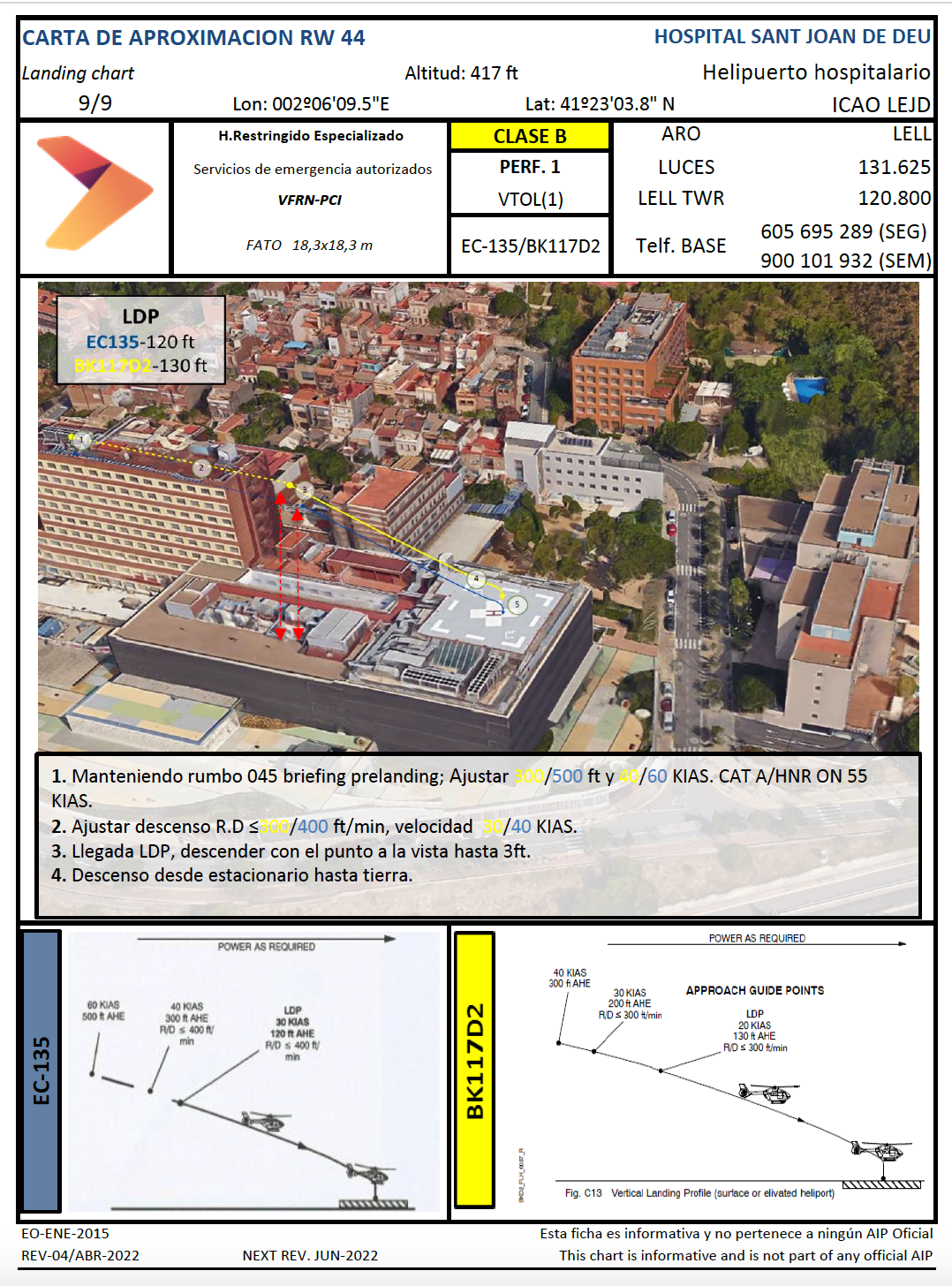
Visual Flight Procedures (VFP) are flight procedures designed to guide aircraft safely and efficiently when operating under Visual Flight Rules (VFR). Unlike Instrument Flight Procedures, which rely mainly on aircraft instruments and navigation systems, visual flight procedures are based primarily on the pilot’s ability to maintain visual reference with the ground, terrain, obstacles, and other traffic.
These procedures are normally used in weather conditions that provide sufficient visibility and cloud clearance, allowing pilots to navigate visually and maintain separation from terrain and obstacles. In this context, the pilot is responsible for observing the surrounding environment, following visual references, and ensuring that the aircraft remains clear of other traffic and protected areas.
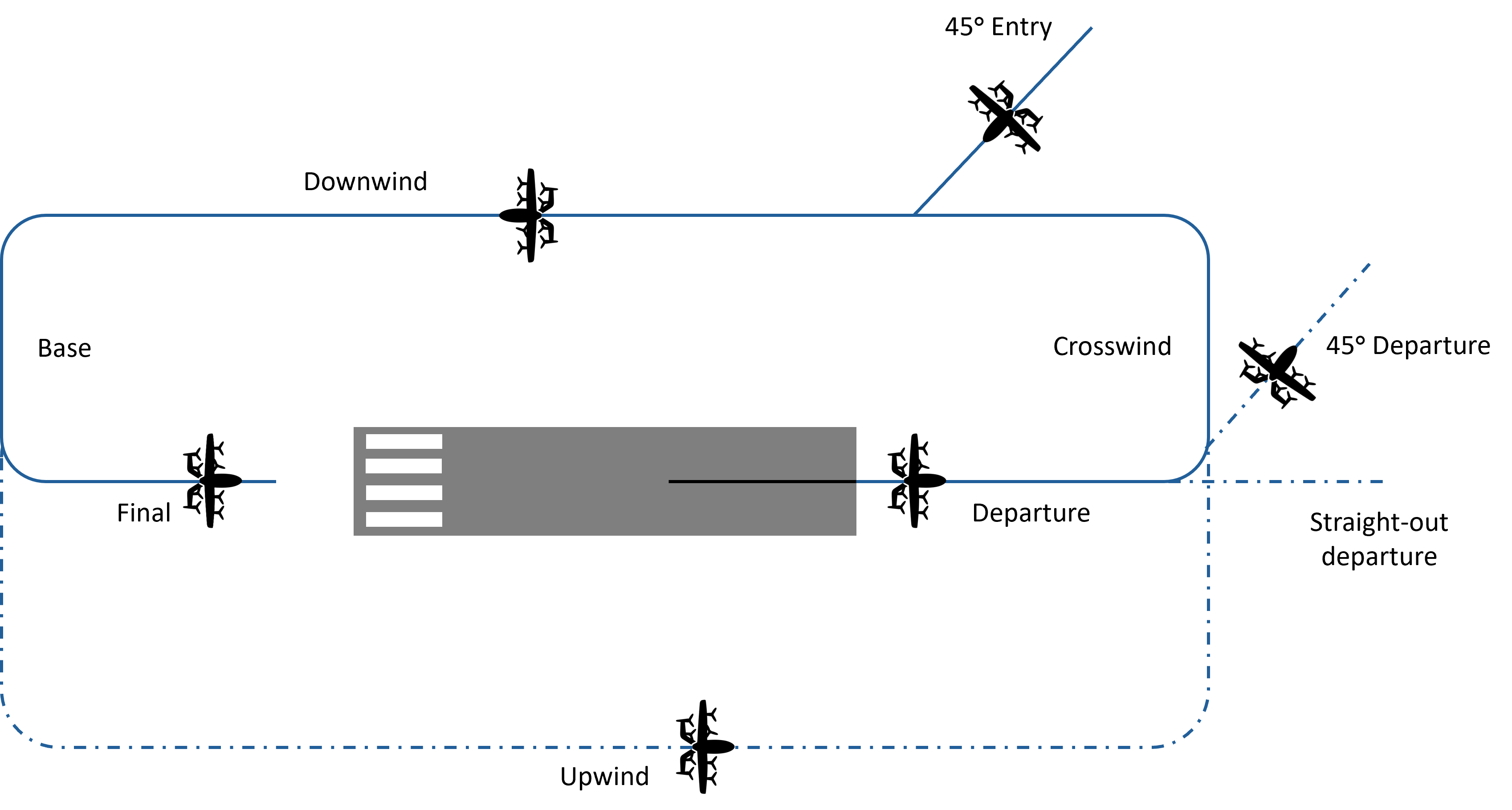
Visual Flight Procedures may be applied during different phases of flight, including departure, arrival, circuit operations, and visual approaches. They are especially relevant in the vicinity of aerodromes, where aircraft must follow defined routes or traffic patterns to ensure an orderly flow of operations. These procedures help organize aircraft movements, reduce the risk of conflicts, and improve safety in uncontrolled or controlled airspace where visual operations are permitted.