What VTOL means?

Vertical Take-Off and Landing, abbreviated VTOL, describes any aircraft capable of taking off from a fixed point and landing vertically without dependence on a conventional runway. The term is generic with respect to propulsion, configuration, and certification basis. It encompasses traditional helicopters, tiltrotor aircraft, distributed-thrust electric concepts now entering certification, and a range of intermediate architectures.

Three regulatory frameworks govern these aircraft in the principal markets:

The European Union Aviation Safety Agency uses the term Vertical Take-Off and Landing Capable Aircraft (VCA) for piloted VTOL aircraft other than conventional helicopters, governed by the Special Condition for VTOL Aircraft (SC-VTOL).

At the international level, the International Civil Aviation Organization classifies aircraft that perform vertical take-off and landing while also generating lift from non-rotating airfoils in forward flight as powered-lift, a formal aircraft category referenced in ICAO Annex 1.

National authorities outside Europe have adopted variants of these frameworks; the United States Federal Aviation Administration, for example, integrated the ICAO powered-lift category into its own regulations in 2024.

The term eVTOL, for electric Vertical Take-Off and Landing, refers to a subset of VTOL aircraft that derive all propulsive power from electrochemical batteries. While widely used in industry communications, eVTOL has no formal regulatory status. Aircraft of this type fall within the EASA VCA framework or the ICAO powered-lift category depending on jurisdiction and design.

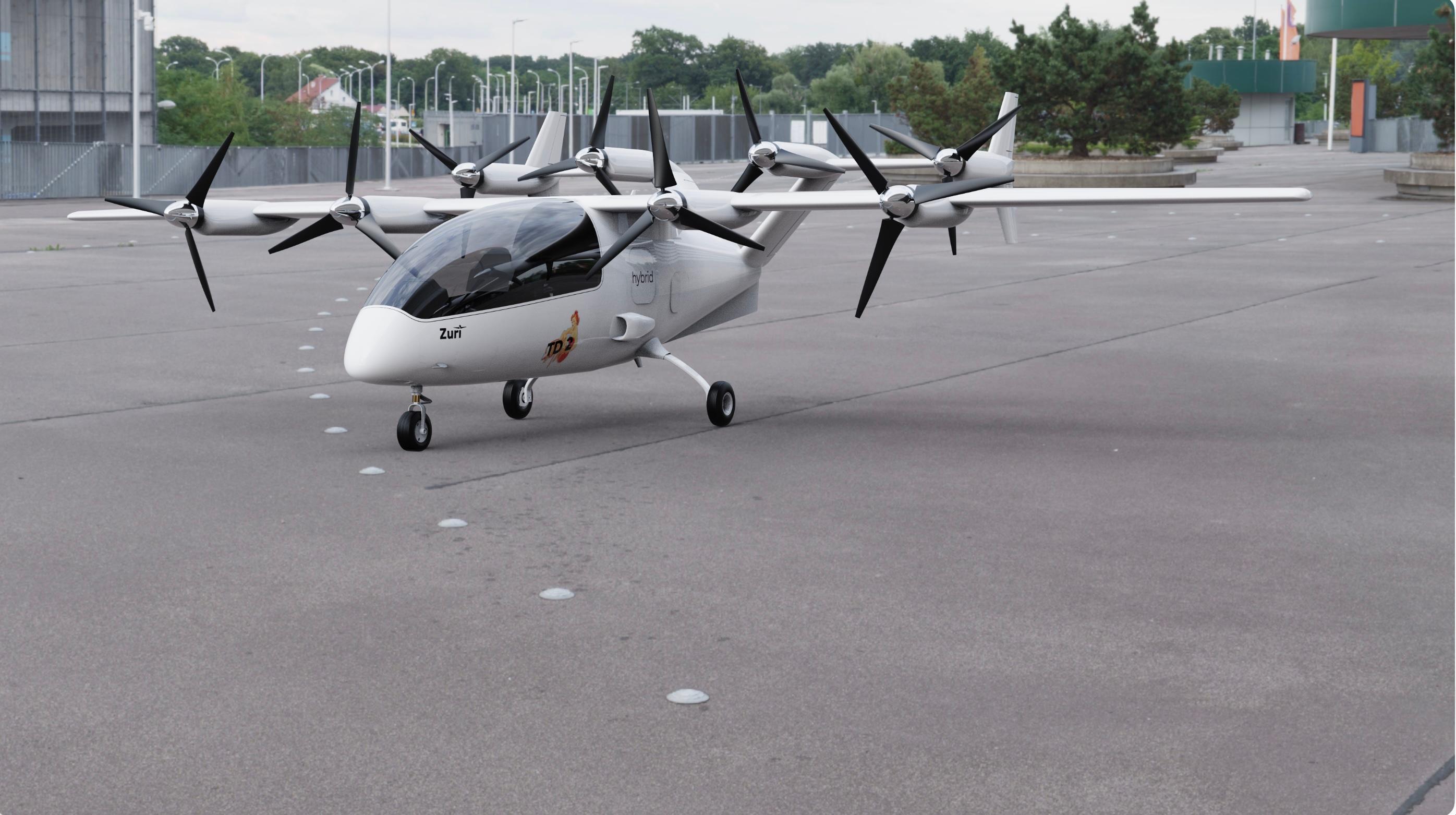
Hybrid VTOL refers to aircraft that combine a thermal energy source, typically a turbogenerator or piston-electric generator, with electric propulsion. Like eVTOL, the term is descriptive rather than regulatory: hybrid VTOL aircraft are certified under the same VCA and powered-lift frameworks as their fully electric counterparts. Hybrid configurations are a common architectural choice for VTOL aircraft targeting regional missions, where the energy density of liquid fuel addresses the range limits of current battery technology.
This portal applies the following conventions:

  • VCA is used where discussion is specific to the European regulatory framework
  • Powered-lift is used in international and US contexts. VTOL is used generically
  • eVTOL refers specifically to battery-electric configurations
  • Hybrid VTOL refers to thermal-electric configurations
This website or its third party tools make use of cookies to enhance browsing experience and provide additional functionality. If you want to know more or withdraw your consent to all or some of the cookies, please refer to the cookies policy. Accept Reject